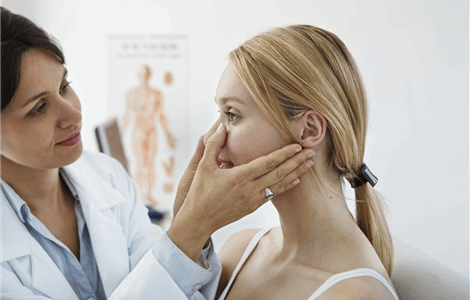
Understanding what triggers an allergic reaction can change a person’s daily life. This article explores how allergies are diagnosed, focusing on the two most common tools: skin tests and blood tests. It also highlights how Helicopteros Sanitarios’ Emergency Service on the Costa del Sol for Allergic Reactions is available whenever an unexpected reaction turns serious.
Why diagnosing allergies matters
Allergies can show up in subtle ways: a bit of itching after eating something new, a blocked nose that never seems to go away, a rash that comes and goes. Other times, symptoms can be sudden and intense. Knowing exactly what your body is reacting to is the only way to manage symptoms properly and avoid dangerous exposures.
Accurate diagnosis helps patients:
- Understand their triggers.
- Receive targeted treatments.
- Reduce the risk of severe reactions in the future.
Allergy testing is straightforward, usually quick, and often gives immediate answers.
Skin tests: fast and informative
Skin tests remain the most commonly used allergy diagnostic tool. They’re simple, minimally invasive, and give results in real time. A small amount of a suspected allergen—such as pollen, dust mites, pet dander, or certain foods—is placed on the skin, usually the forearm or upper back. The skin is then lightly scratched or pricked to allow the substance to interact with the immune system.
If the area becomes red, itchy, or swollen within about 15 minutes, the body is reacting to that allergen.
Skin tests are often recommended because they:
- Offer quick results during the appointment.
- Test multiple allergens at once.
- Are generally safe for adults and children.
They may not be ideal in certain situations, though. People taking antihistamines or those with specific skin conditions may need a different approach.
Blood tests: useful when skin tests aren’t possible
Blood tests measure the level of allergy-related antibodies (called IgE) circulating in the bloodstream. These antibodies rise when the immune system reacts to something it considers a threat.
A simple blood sample is taken and sent to the laboratory, where specialists check which allergens trigger an immune response.
Blood tests are particularly helpful when:
- A patient has severe eczema or dermatographism (a skin condition that prevents skin testing).
- Antihistamines cannot be stopped safely.
- There’s a risk of triggering a strong reaction during a skin test.
- Testing for uncommon allergens is needed.
The results take longer than skin tests, but they provide a clear and detailed picture of how the immune system is reacting.
What happens after the diagnosis?
Results from both skin and blood tests guide the treatment plan. This may include avoiding specific triggers, starting antihistamines, or beginning immunotherapy (allergy shots or drops). In some cases, patients may be advised to carry an epinephrine auto-injector if their reactions could become severe.
Emergency Service on the Costa del Sol for Allergic Reactions
Even with good management, allergies can still surprise you. When symptoms escalate—difficulty breathing, swelling, dizziness—immediate help is essential. Helicopteros Sanitarios’ Emergency Service on the Costa del Sol for Allergic Reactions is available to respond quickly, offering expert medical care right when it’s needed most.
If you or your family live with allergies, remember that quick access to emergency care can make all the difference. Our emergency team is here to support you whenever an allergic reaction becomes urgent.